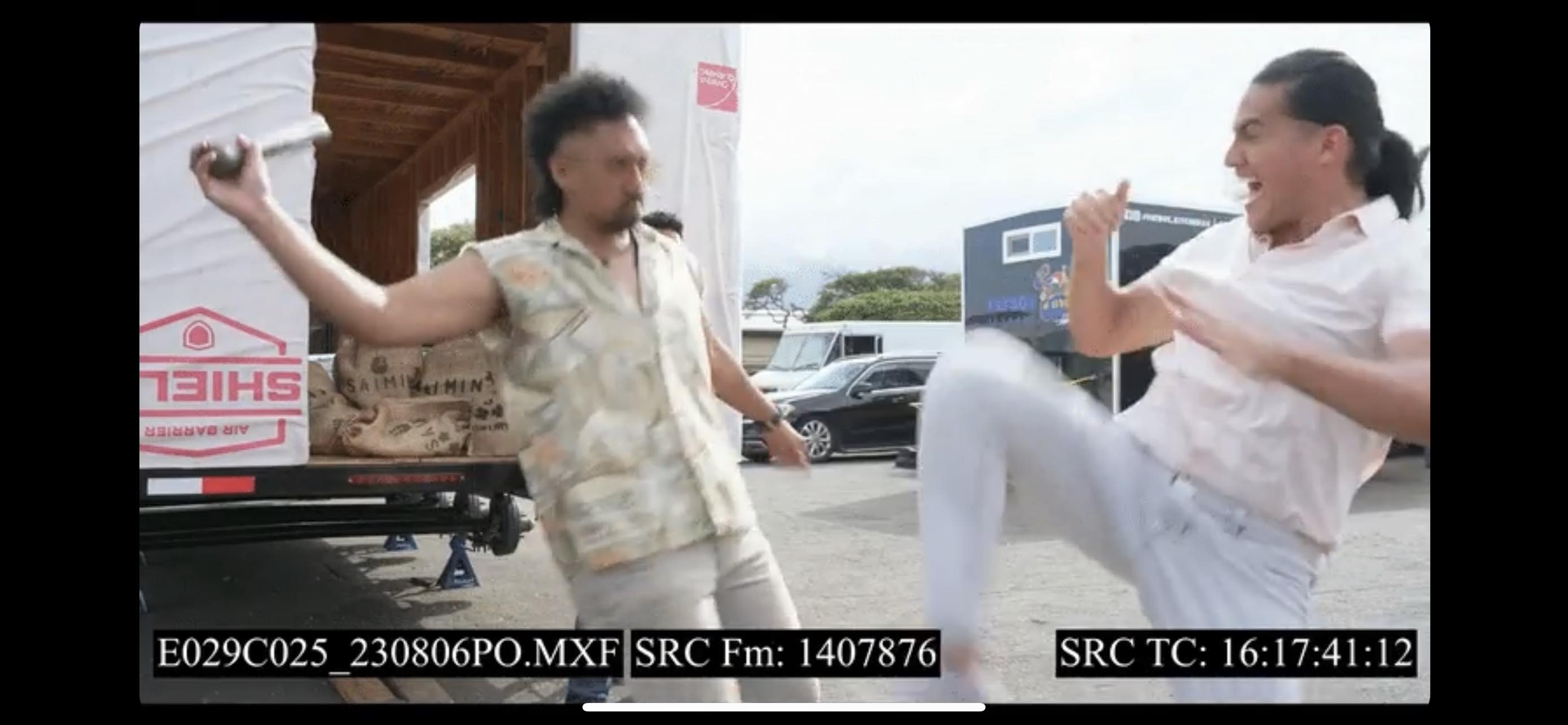
Aloha and welcome to Post Production for Moku Moku Chapter One! We’re excited to say that we are in the middle of editing the show for distribution. That means there will be lots of new footage very soon for you to peek at and we’ll be sharing samples, bloopers, and takes that don’t make the final cut.
We will also be announcing how you can get free tickets for our very special screening at ProArts Maui in Kihei for 4th Friday on October 27th, where we will be having multiple screenings of TWO EPISODES of Moku Moku. And for those of you not on Maui, we’re working on putting together a series of limited virtual screenings of the pilot, so keep your eyes on your inbox for that update!

Due to the Maui Wildfires, we did have to interrupt filming to tend to more important matters, but don’t worry, we only have 4 days of pickups and we look to be completing those just in time for the release of Chapter One. In the meantime we will be editing everything we currently have so we can just slip in the new footage as it arrives.
Now for those of you that have ever wondered about the intricate process that takes place after the cameras stop rolling, here’s a little breakdown of the what we’re going through right now in the Mokuverse.
The Role of Post-Production
Post-production is the phase in television production that occurs after the principal photography or filming has been completed. It encompasses a wide range of tasks, from editing and sound design to visual effects and color grading. Let’s delve deeper into the fascinating world of post-production and uncover the essential elements that make it an integral part of creating a television show.
1. Editing: Crafting the Story
At the heart of post-production lies the art of editing. Skilled editors meticulously comb through hours of footage to select the best takes and arrange them into a coherent narrative. They ensure that scenes flow seamlessly, keeping viewers engaged and emotionally invested in the story. Editing is where the raw material evolves into a cohesive and compelling TV show.

2. Sound Design: Setting the Mood
Sound design is a vital component of post-production. Sound editors and designers enhance the audio quality, adding layers of sound effects, music, and ambient noise to create the desired atmosphere. Whether it’s the eerie silence of a suspenseful scene or the vibrant energy of a sitcom, sound design plays a pivotal role in immersing viewers in the show’s world.

3. Visual Effects (VFX): Bringing Imagination to Screen
In today’s television landscape, visual effects are more prevalent than ever. VFX artists use cutting-edge technology to create mind-bending visuals, whether it’s dragons in a fantasy series or futuristic cityscapes in a sci-fi drama. Their work adds a layer of spectacle and realism that pushes the boundaries of storytelling.

4. Color Grading: Setting the Aesthetic Tone
Color grading is the process of adjusting the color and tone of footage to achieve a specific look and mood. It’s akin to painting a canvas, with colorists using software to fine-tune the color palette, contrast, and saturation. The result is a visual consistency that enhances the show’s overall aesthetic.

5. Special Effects (SFX): Adding the Wow Factor
Special effects, or SFX, encompass practical effects such as explosions, stunts, and prosthetic makeup. SFX teams work in tandem with VFX artists to seamlessly integrate practical and digital elements, bringing the writer’s imagination to life.

6. Title Sequences and Graphics: Branding and Identity
The opening title sequence and on-screen graphics are critical for branding and setting the tone of a television show. Designers and animators create captivating visuals that not only introduce the show but also become iconic symbols associated with it.


7. Quality Control: The Final Check
Before a television show makes its way to your screen, it undergoes rigorous quality control checks. This includes reviewing the final cut, ensuring audio and video sync, and confirming that all visual and audio elements are error-free. Only after passing these checks does the show get the green light for broadcast.
So as you can see, we have got a lot of work ahead of us if we want to get this done on time so you can enjoy the show when it starts streaming in December. Expect regular updates in your inbox and make sure to visit the site often as we expand our exclusive content section where you will be able to find exclusive content only on our website, articles about our talent both in front of and behind the camera, and a merch section which will feature our amazing hats from Double Portion Supply, an original David Sandell designed T-Shirt, stickers, and more!
Mahalo for following our journey and your continued support of independent local indigenous stories from Maui.
2 responses to “Post Production Begins”
nice 🤙🏽🫶🏾😁
Sent from Yahoo Mail on Android
Kawika, I love your concept, the footage I see, and the explanation above. I am rooting for this show to go all the way!!! Hawai’i needs this and what a blast you all are having. Authentic…. Hugs and Aloha!!! And if I had choke money- I would invest…. can’t wait to see more.
Margaret Pearlman